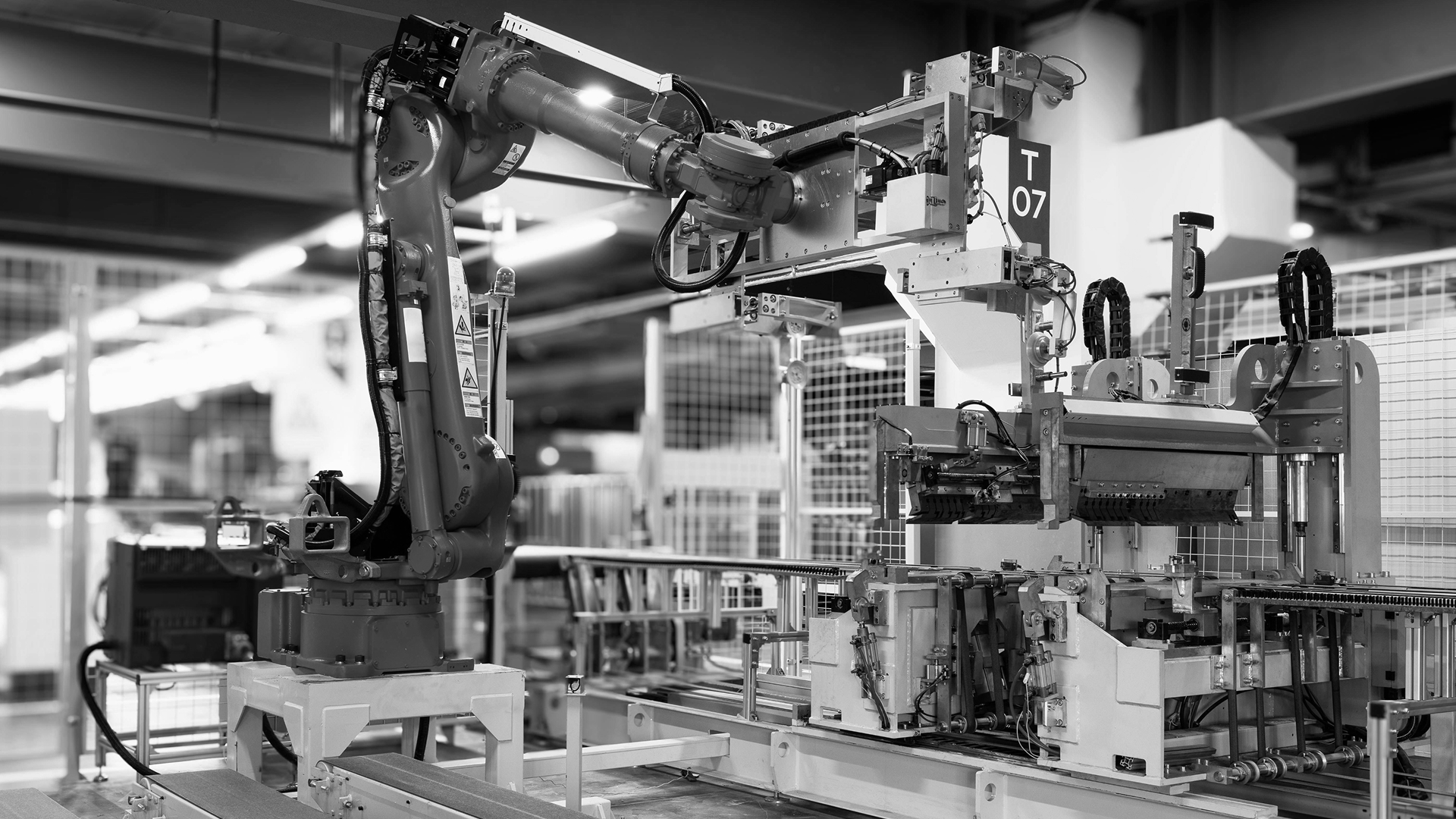
Your equipment is generating data every second it runs. Vibration, temperature, pressure, cycle time, current draw, throughput: thousands of readings per machine, per shift. One study estimates that roughly 90% of it is never analyzed. A separate industry study puts the share of data points that actually inform any operational decisions at less than 15%. Any way you look at it, the factory is talking. Nobody is listening.
The cost doesn't show up as a line item.
The financial impact of unused asset data is hard to pin down, which is why it rarely shows up on a P&L. It doesn't announce itself as a write-off. It shows up as a maintenance budget that runs higher than it needs to. A yield rate that's OK but not as good as it could be. Downtime events that the data could have predicted, if anyone had been looking.
Industry research shows the same pattern: only 20% of potential asset failures are caught before the machine stops. The other 80% get logged as unplanned events, treated as random and unavoidable. They're not. They could be caught. The data to catch them is already there.
The data exists. The problem is what happens to it next.
Walk any modern manufacturing floor and you'll see sensors and data systems everywhere: SCADA, MES, PLCs, vision inspection systems. The problem is what happens between the sensor and a decision. A PLC doesn't naturally talk to a work or production order. Vibration readings from a 2008 compressor sit in a proprietary historian that no analytics platform can read without a custom connector. A quality defect gets logged by an operator into a standalone spreadsheet that nobody cross-references with the machine data from the same shift.
The silos aren't accidents. They're the accumulated legacy of equipment bought over decades, each generation with its own protocol, its own data format, its own closed software layer. 70% of manufacturers still rely on manual data collection processes for operational decisions. Not in 2010. Now.
Organizations have more sensors and systems than ever. The share of that data that actually reaches a decision-maker hasn't moved.
Your competitors aren't waiting.
This matters more now than it did five years ago. The cost of standing still compounds. A competitor who has connected their asset data to operational planning isn't just running a more efficient shift this week.
They're accumulating a dataset that gets more accurate and more valuable every month. They're learning which setups produce the best output for each product, and they're getting better at it every month. Their energy consumption is dropping because they can see where it's wasted. Their maintenance team is getting better at spotting real problems before they stop the line. Meanwhile, a plant still running on instinct and spreadsheets is working from the same information it had when the machines were installed. The machines are smarter. The decisions haven't changed.
Where to start isn't a large transformation program.
The typical organizational response to this problem is a large-scale platform initiative: an 18-month roadmap, a new data architecture, an integration project with a million euro budget whose costs are set to exceed the problem it's meant to solve. That framing is why most companies delay, and delay again.
The right starting point is usually a question your production or operations team already carries. Why does that line keep stopping? Why can't we hit our throughput targets? And why can't we get ahead of it? In most facilities, the data to answer those questions already exists. It is being logged. But it is not being used.
Pick the starting question that keeps coming back. The answer can be found in the data.
The economics are not subtle. Focused, well-scoped projects consistently deliver 200-500% ROI in year one. When so little data is actually being used, almost any step forward pays off quickly. You're replacing experience-based instinct with actual evidence from the machine itself. Getting started costs a fraction of what five more years of inaction will.
The assets on your floor have been collecting evidence for years. The question is what you are doing with it.
Most manufacturers we speak with already know they're leaving value on the table. What they don't know is where to start and which decisions will move the needle fastest with what they already have. That's usually where a conversation with Marentis starts.